







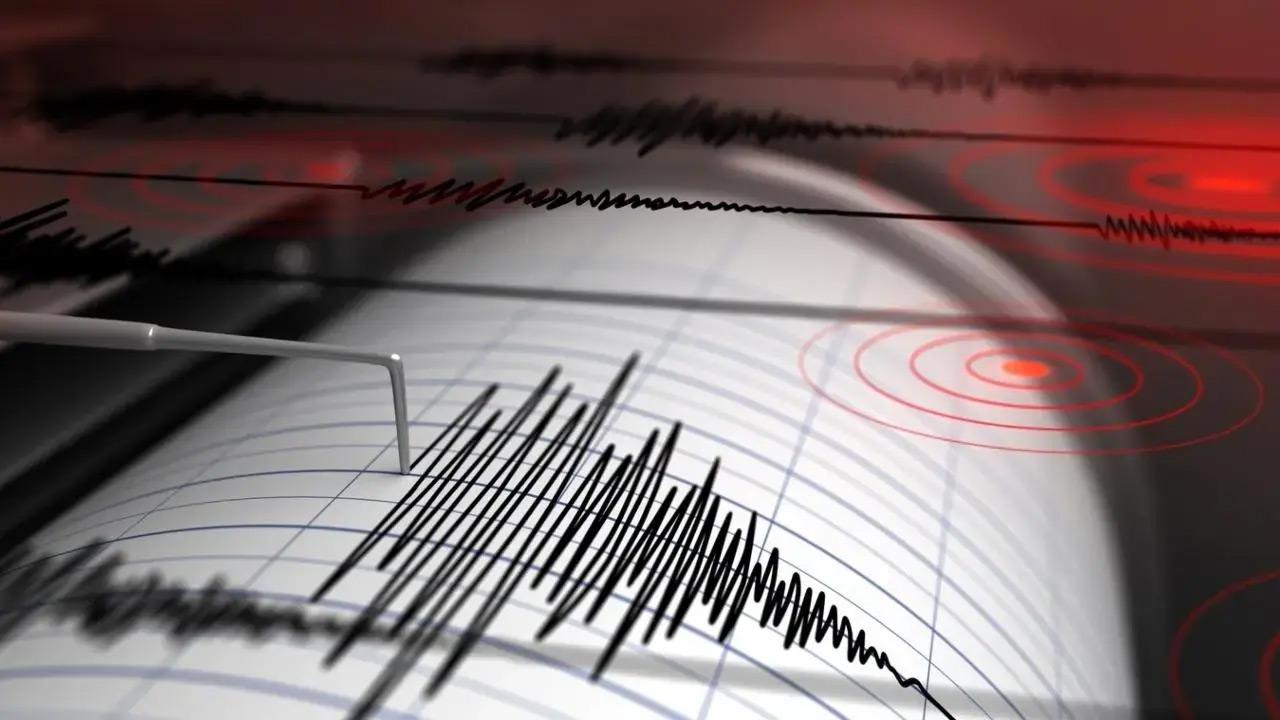
Magnitude 4.0 Earthquake Jolts Tibet; Region Remains Seismically Active
Tibet: A 4.0-magnitude earthquake struck Tibet on Tuesday evening, according to the National Center for Seismology (NCS).
The quake occurred at a shallow depth of 10 km — a level that often increases the risk of aftershocks and stronger surface shaking.
In a post on X, the NCS reported: “EQ of M: 4.0, On: 21/10/2025 20:29:44 IST, Lat: 28.84 N, Long: 85.55 E, Depth: 10 Km, Location: Tibet.”
Earlier this month, on October 7, a 3.2-magnitude tremor was also recorded in Tibet at the same depth.
Shallow earthquakes are typically more dangerous than deep ones since their seismic waves travel a shorter distance to the surface, resulting in stronger ground motion and potential structural damage.
The Tibetan Plateau is among the world’s most seismically active regions due to ongoing tectonic collisions between the Indian and Eurasian plates. This massive geological interaction, which created the Himalayas, continues to cause frequent earthquakes and gradual shifts in mountain heights.
Geologists note that faulting within the plateau involves both strike-slip and normal mechanisms, with the northern areas dominated by strike-slip tectonics and the southern regions characterized by east-west extension along north-south trending normal faults.
Since the late 1970s, satellite imagery has identified at least seven major north-south rifts in southern Tibet, which began forming around 4 to 8 million years ago.
Historically, Tibet has experienced powerful quakes exceeding magnitude 8.0 along strike-slip faults, while smaller normal-faulting earthquakes ranging between magnitudes 5.9 and 7.1 were recorded across the plateau in 2008.
Would you like me to make this version suitable for news broadcast or print publication format?